The proposed UK–EU sanitary and phytosanitary (SPS) agreement could remove some of the most costly post-Brexit barriers facing food and drink traders. For businesses moving food between Great Britain, Northern Ireland and the Republic of Ireland, it may mean fewer export health certificates, fewer physical checks, lower border costs and less delays - but it also raises important questions about dynamic alignment with EU rules and bio-security. In practice, this is the central trade-off. The UK would gain easier access for food exports to the EU, but it would have less freedom to set its own SPS rules where they differ from EU standards.
What is the EU SPS reset?
“SPS” stands for sanitary and phytosanitary measures. These are the rules designed to protect human, animal and plant health, covering issues such as food safety, animal disease, pesticide residues, pests and plant disease. The proposed UK–EU SPS agreement is intended to reduce the customs and veterinary controls introduced after Brexit. In practical terms, it would make it easier for food, drink, animal products and plants to cross the Irish Sea and the UK–EU border.
When is the EU SPS reset going to be implemented ?
The UK Government originally targeted mid-2027 for the agreement to take effect. However, the latest reporting indicates that implementation is now expected in early 2028, potentially from 1 March 2028, subject to final agreement, legislation and operational readiness. Businesses should therefore monitor official guidance closely, as dates and transitional arrangements may still change.
The draft agreement could remove or reduce several post-Brexit requirements, including:
- Export health certificates for many animal-product exports to the EU.
- Phytosanitary certificates for certain plants and plant products.
- Veterinary inspection fees and other official-control charges.
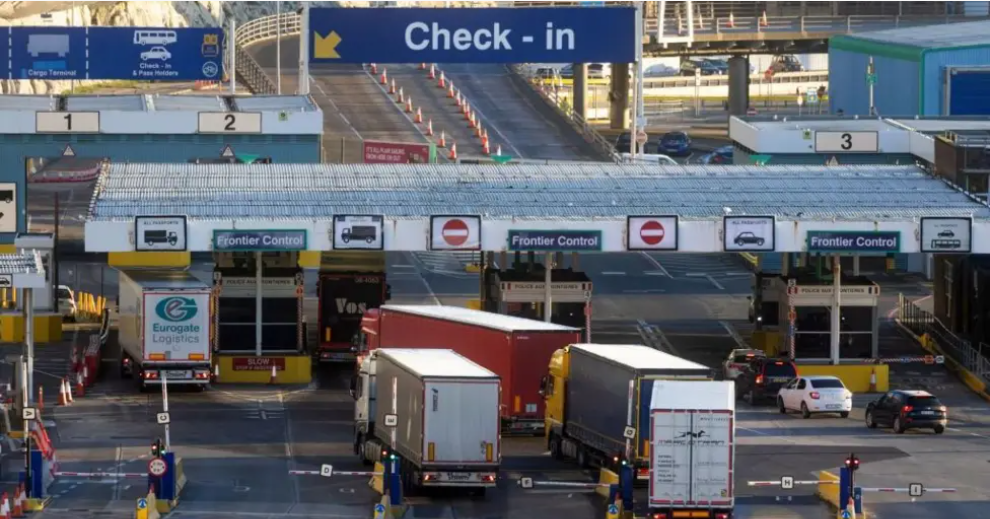
- Some physical checks, documentary checks and port charges.
- Certain organic certification requirements.
- The “not for EU” labelling requirement for relevant goods moving from Great Britain to Northern Ireland.
The SPS reset is primarily relevant to products where animal, plant or food-safety rules apply. This includes:
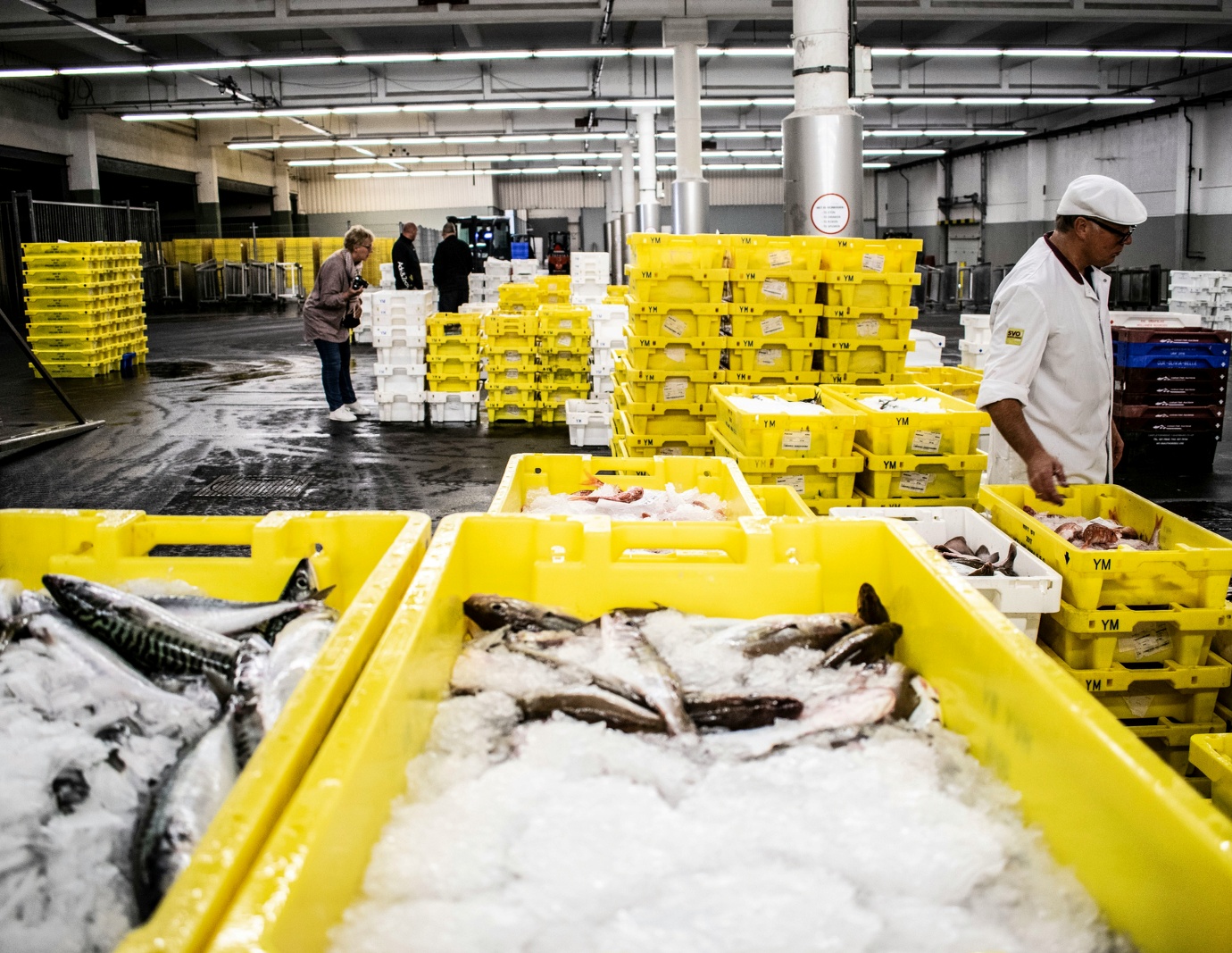
- Meat, poultry, dairy, eggs, fish and shellfish.
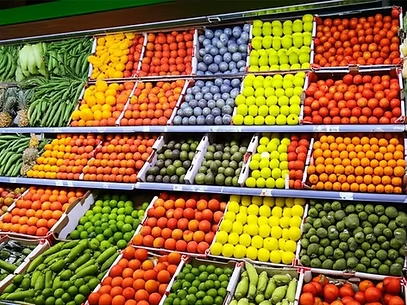
- Seed potatoes, fruit, vegetables, plants, cut flowers and other plant products.
- Composite foods containing animal products, such as pizzas, sandwiches, ready meals and yoghurt-based products.
- Organic food and drink.
- Live animals and animal by-products, subject to the final agreement.
What the EU SPS reset means for Irish Businesses exporting to the UK
For Irish food and drink businesses exporting to Great Britain, the proposed reset could reduce friction at the UK border. However, the scale of the benefit depends heavily on the product, its risk category and the final implementation details. Many EU-origin goods entering Great Britain are already treated as lower risk and do not require an export health certificate today. The reported figure is that only around 2.3% of UK exports require an export health certificate, while roughly 300,000 GB–EU export health certificates are issued annually. For Irish exporters, this means the biggest gains may come from reduced checks, simpler documentation and fewer delays, rather than the wholescale removal of export health certificates. Businesses should review their product range carefully before assuming every consignment will become cheaper.
If EU-origin food enters Great Britain with fewer checks and lower compliance costs, some of those savings may eventually be passed through the supply chain. That could benefit Irish producers, processors and exporters competing in the UK market. However, savings are not automatic. Transport, packaging, labour, energy, exchange rates, retailer margins and customs brokerage costs will still influence final landed cost. Additionally, reduced physical inspections and fewer certification requirements could make just-in-time supply chains more reliable. This is particularly important for chilled, short-shelf-life and high-volume food categories, where delay can lead to waste, missed retail slots and customer penalties.
What it means for UK businesses exporting to the EU
The more immediate commercial opportunity may be for UK food and drink businesses exporting to the EU especially for smaller producers. One UK food business cited by the BBC said veterinary inspections had cost £140 per pallet, making yoghurt exports uneconomic. The agreement could reopen or improve access for products that have faced particularly difficult post-Brexit barriers, including:
- British sausages and burgers.
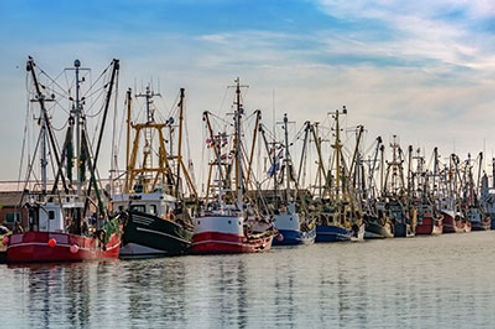
- Shellfish from UK waters.
- Seed potatoes.
Fewer certificates, inspections and port charges should reduce the administrative burden on UK exporters. The British Chambers of Commerce has said that export health certificates can add thousands of pounds to the cost of a single truckload, alongside delays at ports and borders. For businesses shipping mixed loads, palletised goods or frequent smaller consignments, the cumulative saving could be substantial.
What the EU SPS reset means for UK to Northern Ireland Movement's
The SPS reset could be especially significant for movements from Great Britain to Northern Ireland. Northern Ireland remains within the EU single market for goods under the Windsor Framework. That means food moving from Great Britain to Northern Ireland has required additional paperwork and, in some cases, physical checks at NI ports. The proposed agreement is expected to reduce or remove many of those requirements. It could also remove “not for EU” labelling and reduce border checks for goods shipped between Great Britain and Northern Ireland. For businesses supplying supermarkets, foodservice operators and manufacturers across the island of Ireland, this could materially simplify logistics. It may also reduce the need for separate stock, separate labelling and duplicated compliance processes.
For food imported into the UK from outside the EU, the picture may be less positive. Under dynamic alignment, the UK may need to apply EU-style inspection and control requirements to certain non-EU imports. Industry bodies have warned that this could increase costs and delays for fresh produce sourced from countries outside the EU. The Fresh Produce Consortium has warned that adopting the EU inspection approach could add more than £300 million a year in costs for importers bringing fresh produce into the UK from outside the EU. It also notes that the UK imports around 65% of its fresh produce, with 54% coming from non-EU countries.
A customs broker can help food businesses understand which requirements apply to their specific products and trade routes. That includes export declarations, import declarations, health certificates, phytosanitary documentation, transit movements, Northern Ireland movements, VAT and duty planning. The proposed SPS reset may reduce paperwork, but it will not remove the need for accurate classification, correct origin data, strong record-keeping and reliable border compliance. Businesses that prepare early will be best placed to capture the savings and avoid disruption when the new arrangements take effect.
Frequently asked questions
Does the EU SPS reset remove all customs paperwork?
No. It may reduce SPS-related certification, inspections and border friction, but businesses will still need customs declarations and other trade documentation because the UK remains outside the EU Customs Union.
When will the EU SPS reset changes take effect?
The agreement is still at draft stage. Reporting suggests implementation may not be complete until 2028, so businesses should monitor official guidance and prepare in advance.
What is dynamic alignment?
Dynamic alignment means the UK would follow and adapt to relevant EU food, animal-health and plant-health rules over time. This is the main trade-off in the proposed agreement.